Bi-Extremities
Research | Insights
Date of Project May 2024
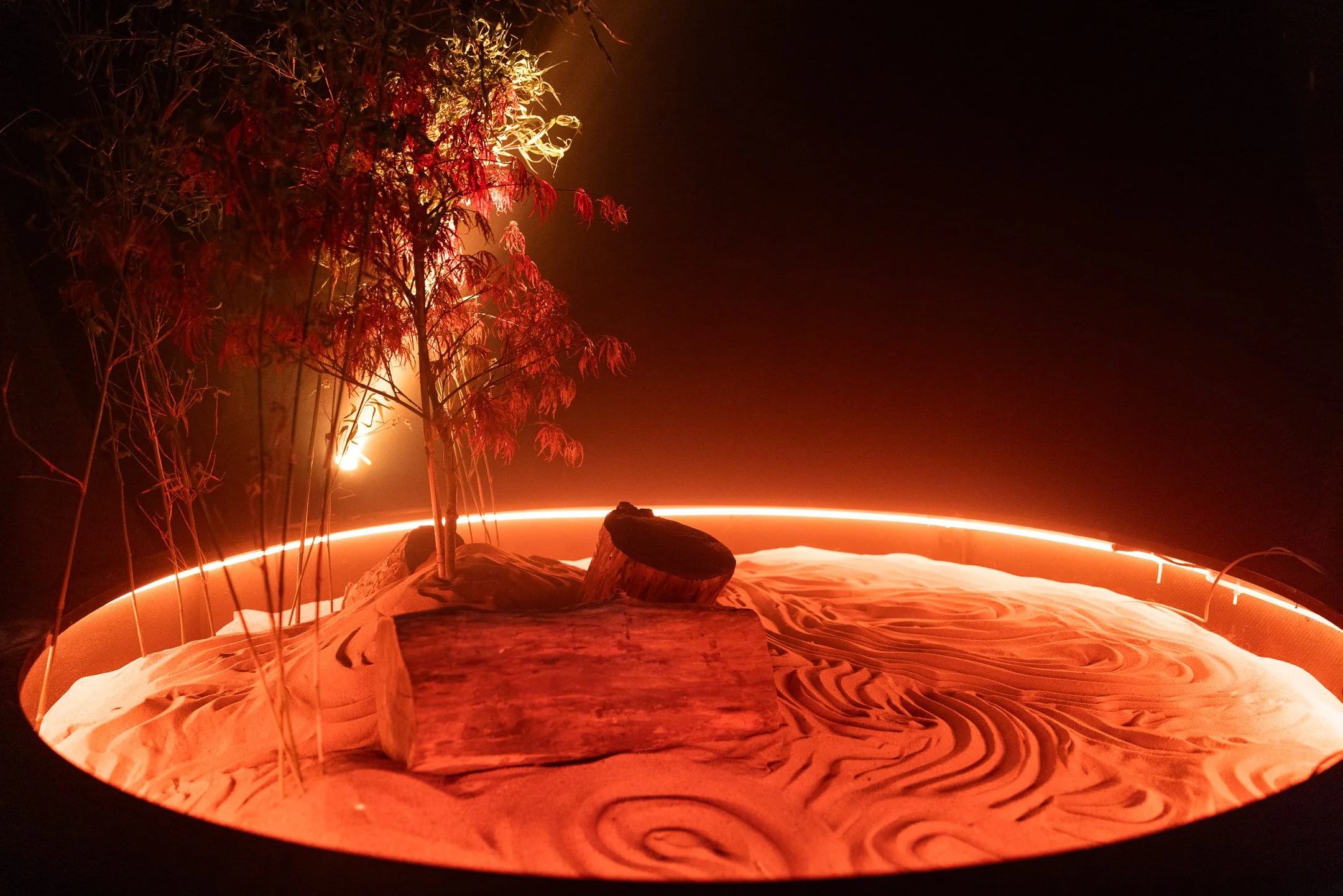
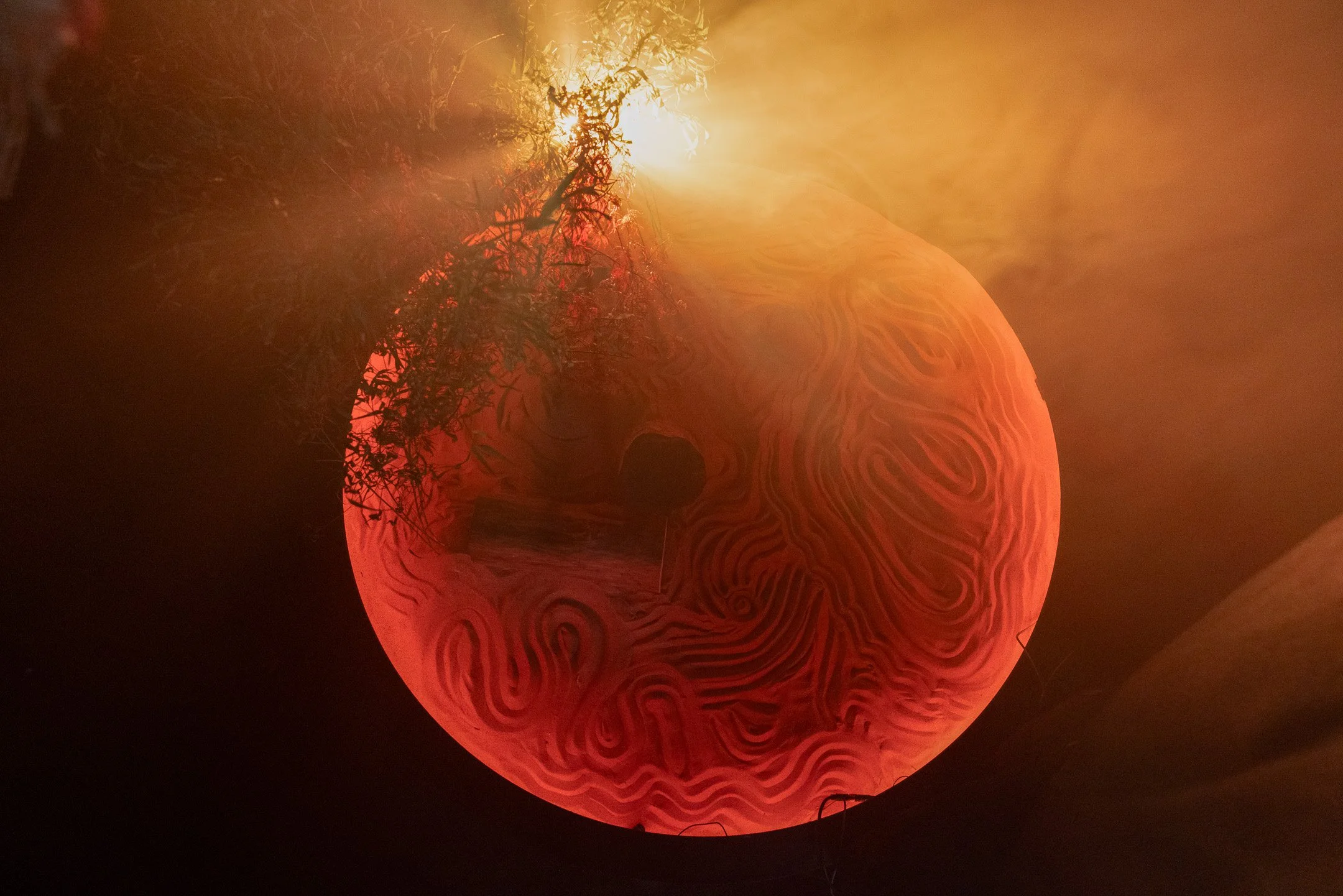
Bi-Extremities is a multisensory installation exploring how how natural materials and sound interact with the body through barefoot experience - using neuroscience research on embodiment to inform the design of multisensory environments.
Insight
The project set out to explore how direct, physical interaction with natural materials - experienced through bare feet - impacts relaxation, presence, and embodied awareness.
The challenge was to understand how different combinations of tactile material and sound influence the body, and how these sensory interactions could be orchestrated to create a more embodied and relaxing experience, while identifying where mismatches disrupt it.
Approach
I led the research and user testing, applying neuroscience-informed sensory and biophilic design principles to guide the development of the installation.
Participants moved through a series of natural materials - including sand and soft fibres - experienced barefoot, paired with different sound environments. I tested how these combinations influenced nervous system regulation, emotional response, and embodied awareness.
This included analysing responses to different material qualities, levels of sensory coherence, and instances of sensory mismatch, as well as tracking how attention shifted between cognitive focus and bodily awareness throughout the experience.
Insight
The installation produced measurable shifts in participant experience, including a 26% increase in reported relaxation, a 24% increase in feelings of presence, and a 29% shift from cognitive focus toward embodied awareness.
The research showed that natural, compliant materials — such as sand and soft fibres — combined with coherent soundscapes produced the strongest effects on relaxation and immersion. In contrast, sensory mismatch reduced presence and disrupted the experience.
These findings translated into a design report demonstrating how natural materials and sound combinations can be intentionally shaped to support regulation, deepen presence, and create more impactful multisensory environments.